
How to Use a Handwriting to Text Converter in Daily Life
UPDATED: Mar 10, 2026
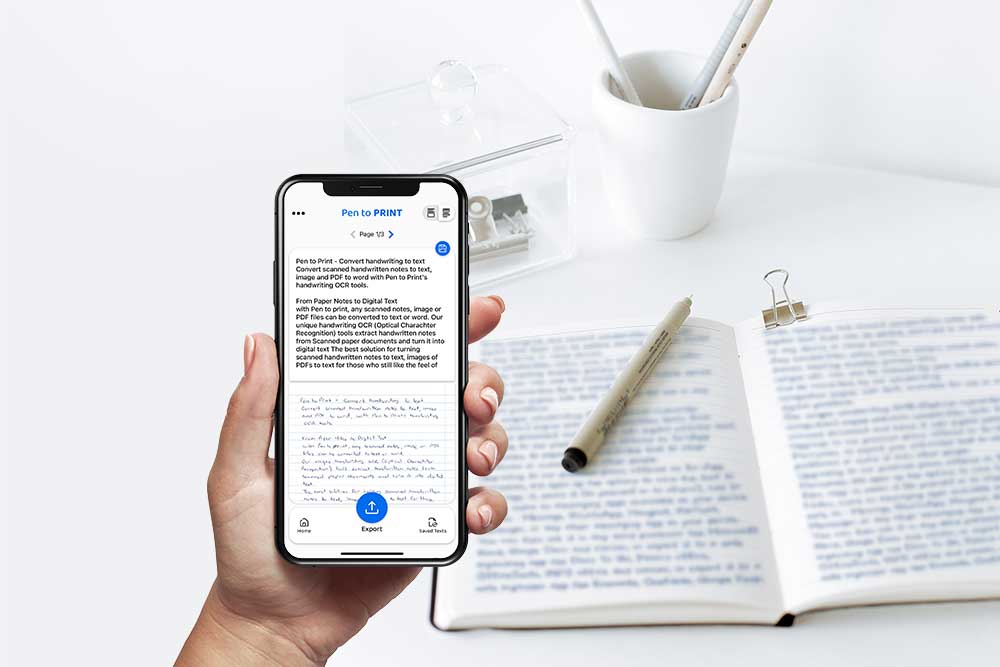
A handwriting to text converter is a daily productivity tool used to bridge the gap between paper and digital formats. In daily life, you can use online OCR to digitize school notes, translate unreadable cursive, convert meeting minutes into Word documents, and extract text from paper forms for easy digital storage and analysis.
Digitize Educational Notes for Students and Teachers
For students, handwriting to text converters offer an invaluable way to digitize handwritten notes and assignments. Rather than worrying about keeping track of paper notebooks, students can effortlessly convert their class notes into digital text. This makes it easier to organize and review materials, especially during exam preparation. Additionally, converting handwriting to text allows students to quickly search for specific topics within their notes, enhancing study efficiency and information retention.
Teachers find immense utility in handwriting to text technology. The ability to decipher students' handwriting is priceless. Whether it's handwritten homework assignments or handwritten exams, the ability to easily read them all as digital text saves hours of work and frustration. They can also convert lesson plans, lecture notes, and feedback on student assignments into digital text, which simplifies the sharing and updating of educational materials. Also, handwriting to text converters allow teachers to quickly prepare digital teaching aids and resources that can be easily accessed by students, promoting a more interactive and integrated learning environment.
Organize Professional Meeting Minutes and Records
In the professional sphere, handwriting to text converters facilitate the digitization of meeting notes, brainstorming sessions, and personal reminders. Professionals can jot down ideas during discussions and later convert these notes into digital text for easy archiving and sharing with colleagues. This not only enhances communication but also ensures that crucial insights and decisions are accurately documented and accessible. Additionally, converting handwriting to text helps professionals maintain organized digital records, reducing reliance on physical paperwork and enabling efficient retrieval of information.
Edit Creative Writing and Personal Drafts
For creative individuals such as writers, artists, and musicians, handwriting to text converters provide a bridge between inspiration and execution. Writers can draft stories, poems, or essays by hand, capturing their spontaneous thoughts and emotions, and later convert them into digital text for editing and refinement. This versatility allows for preservation of the original creative spirit while offering the benefits of digital manipulation and editing.
Manage Daily To-Do Lists and Personal Organization
Handwriting to text converters also assist in the day-to-day organization of personal tasks and information. Converting handwritten to-do lists, shopping lists, and personal reflections into digital text allows for easy editing, updating, and sharing. Individuals can keep track of their daily activities more effectively by having digitally accessible and searchable records. This not only helps in staying organized but also ensures that important details are not overlooked.
Translate Cursive and Illegible Handwriting
One of the standout features of handwriting to text technology is its ability to accurately interpret cursive and difficult-to-read handwriting. Many people still write in cursive, and these tools enable the transformation of cursive writing into clear, readable digital text. They are especially useful for deciphering illegible handwriting and can also help interpret old documents, ensuring that all information is captured accurately. This capability is particularly beneficial in both professional settings and personal contexts where precise data transcription is crucial.
Handwriting to text converters are revolutionizing the way we engage with written information across different aspects of our lives. Whether in educational settings for students and teachers, professional environments, or for creative and personal purposes, these tools enhance the efficiency, organization, and accessibility of information. By transforming handwriting into digital text, individuals can seamlessly integrate their traditional writing practices with modern digital workflows, leading to improved productivity and streamlined daily management. As handwriting to text technology continues to advance, its applications will undoubtedly expand, further embedding itself into our everyday routines.